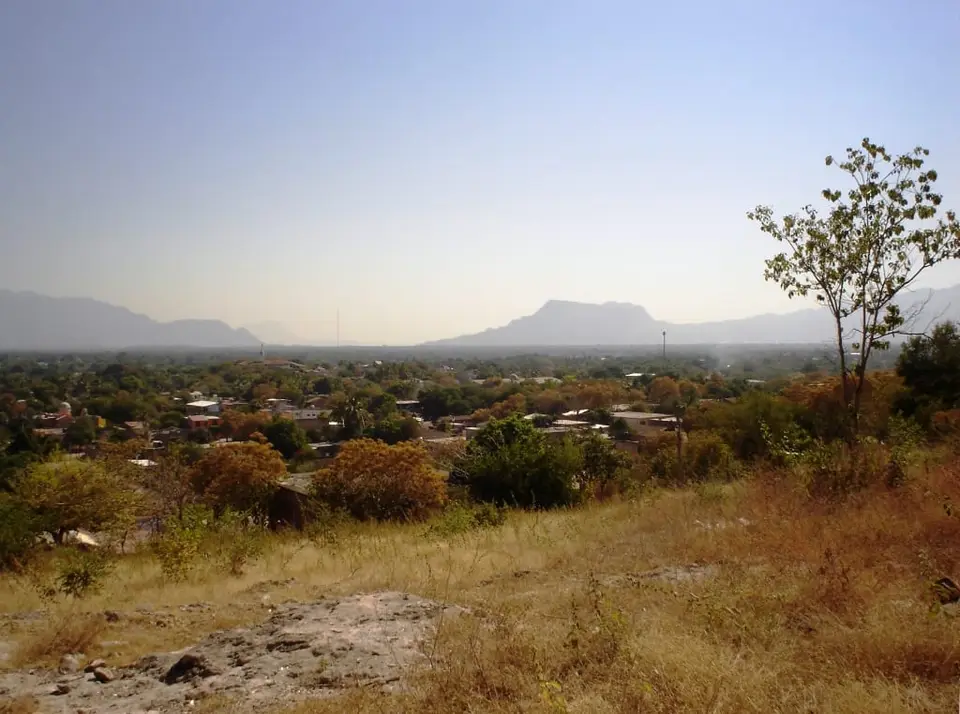
A warning can be a strange kind of burden. It tells a community that danger may be coming, but it cannot make the danger stop. In this village, the alert about a cartel offensive during the World Cup was followed by drone attacks, moving residents from anticipation into immediate threat. The report holds two realities together: people were prepared for violence, and violence still arrived.
James 3:17 does not describe peace as a guarantee that attacks will not happen. It describes wisdom from above as pure, peace loving, gentle, merciful, and sincere. That distinction matters. The verse does not explain why the drones came, promise physical safety, or reduce the need for protection. It also refuses to let fear become the only teacher. When danger is real, the spiritual question is not only how safety can be restored, but what kind of inner life is forming while safety remains uncertain.
That question reaches beyond the village. We can pray for protection and peace without pretending terror is simple. We can also ask whether our own responses to danger are producing hardness, suspicion, and cynicism, or the gentleness and mercy Scripture calls wisdom from above.