Russian and Ukrainian Officials Meet at the White House: How Peace Takes Shape in Small Steps
A partial ceasefire that saved civilians from Oleshky hints at how shalom is built — fragile step by fragile step.
Infolitico
On the press
The edition is loading.
A partial ceasefire that saved civilians from Oleshky hints at how shalom is built — fragile step by fragile step.
A concise digest of source-backed Infolitico stories when the day has a truthful slate. Thin mornings are skipped rather than padded.
But I say, love your enemies! Pray for those who persecute you!
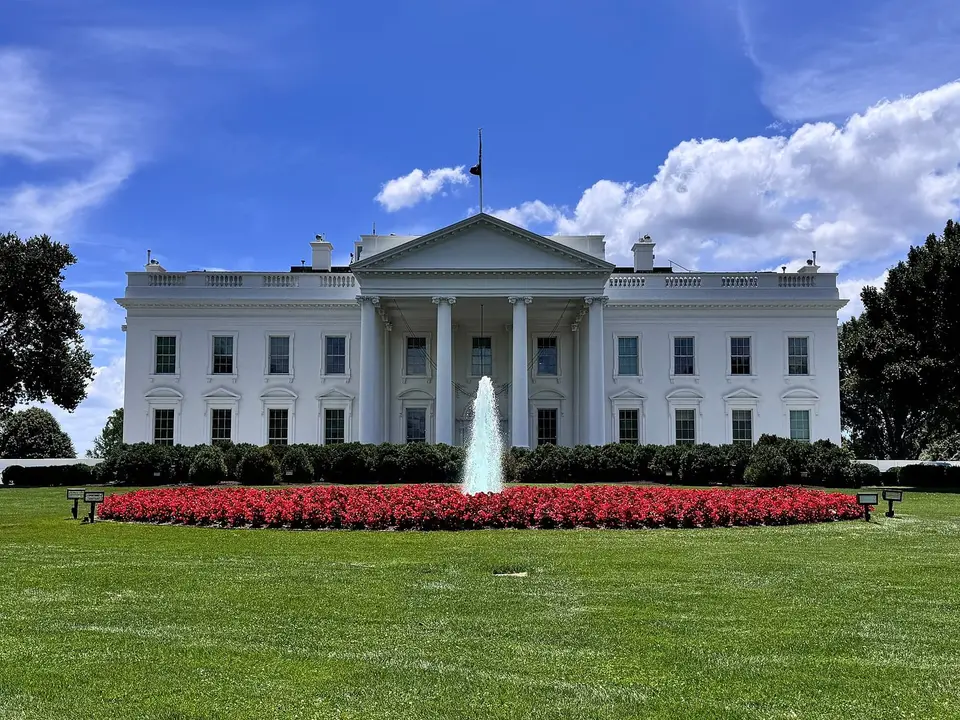
Russian and Ukrainian officials, including human rights chiefs, are set to meet US First Lady Melania Trump at the White House on Thursday, ahead of further talks in Abu Dhabi aimed at ending the Ukraine war. The meeting comes weeks after Melania Trump helped broker a partial ceasefire that enabled the evacuation of civilians from the Russian-occupied Ukrainian town of Oleshky.
The most telling word in this story is partial. The ceasefire brokered a few weeks ago did not end the war, did not settle territorial questions, and did not bring Russian and Ukrainian leaders to the same table. What it did do was real enough to count: civilians in Oleshky, a town under Russian occupation, got out of danger. Thursday's White House meeting and the talks ahead in Abu Dhabi are the next links in that chain.
We tend to imagine peace as a finished product — signed, sealed, announced. Everything short of that we file under failure. But the sequence here, from a partial ceasefire to a hosted meeting to another round of talks, suggests peace behaves more like a discipline than an event: fragile steps taken in order, while the larger conflict still stands. That is the logic the verse presses on us. Love for an enemy is not offered as a reward for a resolved conflict; the command assumes the adversary is still present, still hostile, still worth engaging. The discipline comes before the reconciliation, not after it.
To be clear about the limits: a partial ceasefire is not peace. Thursday's talks may end without an agreement, and the verse is a posture of the heart, not a promise that diplomacy will succeed or that nations reconcile quickly. Yet the contrast holds — between a war that continues and evacuations that actually happened — and it teaches something about scale. Diplomats practice enemy-engagement between nations; most of us are asked to practice it with one person. This week, choose the person you are most at odds with and pray for them by name — not because it guarantees reconciliation, but because every large peace begins as a small practice.
This Daily Reflection keeps the reported event, faith reflection, Scripture, and automation record distinct.
