What Do We Owe the Old Crops? Africa's Green Revolution Is Trading Away Seeds
A new report says monocultures are displacing traditional African foods — and the trade-off says something about how we handle small, inherited things.
Infolitico
On the press
The edition is loading.
A new report says monocultures are displacing traditional African foods — and the trade-off says something about how we handle small, inherited things.
A concise digest of source-backed Infolitico stories when the day has a truthful slate. Thin mornings are skipped rather than padded.
If you are faithful in little things, you will be faithful in large ones. But if you are dishonest in little things, you won’t be honest with greater responsibilities.
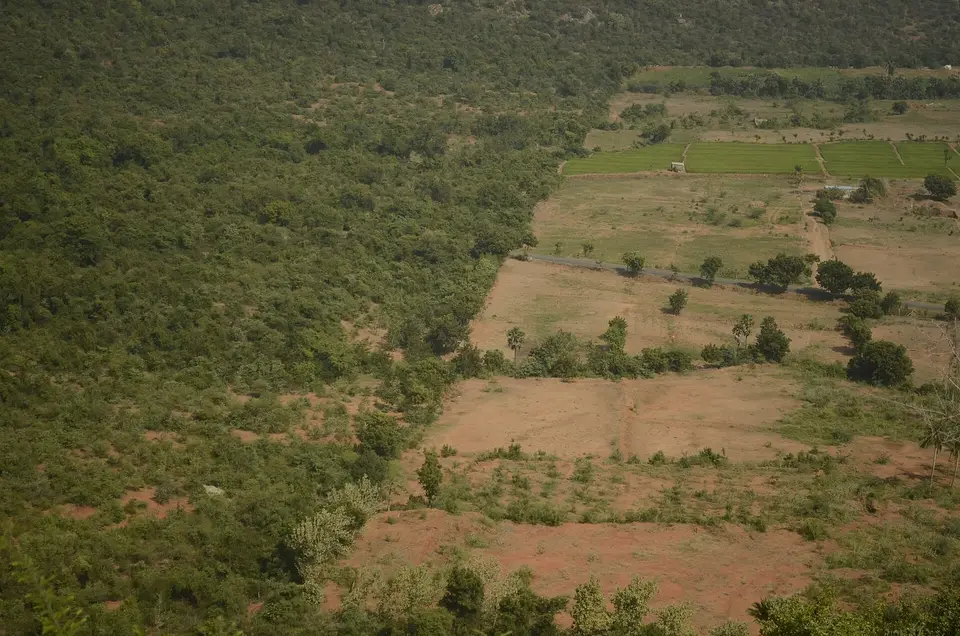
Reporting from Al Jazeera argues that Africa's Green Revolution — the push to modernize the continent's agriculture — is threatening traditional foods. According to the report, the promotion of monocultures is hurting the production of traditional crops that are much more nutritious and more resistant to climate pressures than the favored single-crop systems.
A seed is about as little as a thing gets. Yet the report from Al Jazeera turns on exactly that: across Africa, farming systems built around a single favored crop are displacing traditional varieties that carry more nutrition and stand up better to climate pressures. What changed is the crop mix — standardized monocultures promoted at scale. What is being lost is the older diversity that took generations to develop.
The trade-off deserves a fair hearing. Wanting larger harvests to feed more people is not greed, and one report making an argument is not a full accounting of African agriculture; it does not prove every monoculture is harmful or that traditional crops alone can meet every need. But the pattern it names is worth noticing: the change brought scale, while the continuity being displaced carried resilience and nourishment that scale alone cannot replace. We tend to measure agriculture — and a lot else — by the big, countable outcome. The small, inherited thing that got traded away rarely makes the ledger.
That is where the verse lands with unexpected force. When Jesus speaks of faithfulness in little things, the little things here are not a metaphor; they are literal seeds, field practices, and food heritage handed down across generations. His teaching locates trustworthiness not in the size of the harvest but in how we handle what is small, inherited, and easy to dismiss as inefficient. A seed variety that seems outdated may be precisely the kind of little thing we were given to keep — and letting it slip away while chasing the larger number is a quiet failure of stewardship, not a bold act of progress.
So the question reaches past African farms into our own keeping. What inherited things sit in our care — a habit, a relationship, a tradition, a patch of land — that our pursuit of the bigger harvest is quietly crowding out? It might be worth naming one such small thing today, and asking whether we are keeping it faithfully or trading it for something that merely counts more.
This Daily Reflection keeps the reported event, faith reflection, Scripture, and automation record distinct.
