Correction notice
This story has been corrected
The image was updated to a relevant licensed file photograph. Article text is unchanged.
Posted November 3, 2026.
Read our corrections policy.
Infolitico
On the press
The edition is loading.
Correction notice
The image was updated to a relevant licensed file photograph. Article text is unchanged.
Posted November 3, 2026.
Read our corrections policy.
A conservation deal in the Rift Valley reminds us that the things most worth keeping are the hardest to price.
A concise digest of source-backed Infolitico stories when the day has a truthful slate. Thin mornings are skipped rather than padded.
And give thanks for everything to God the Father in the name of our Lord Jesus Christ.
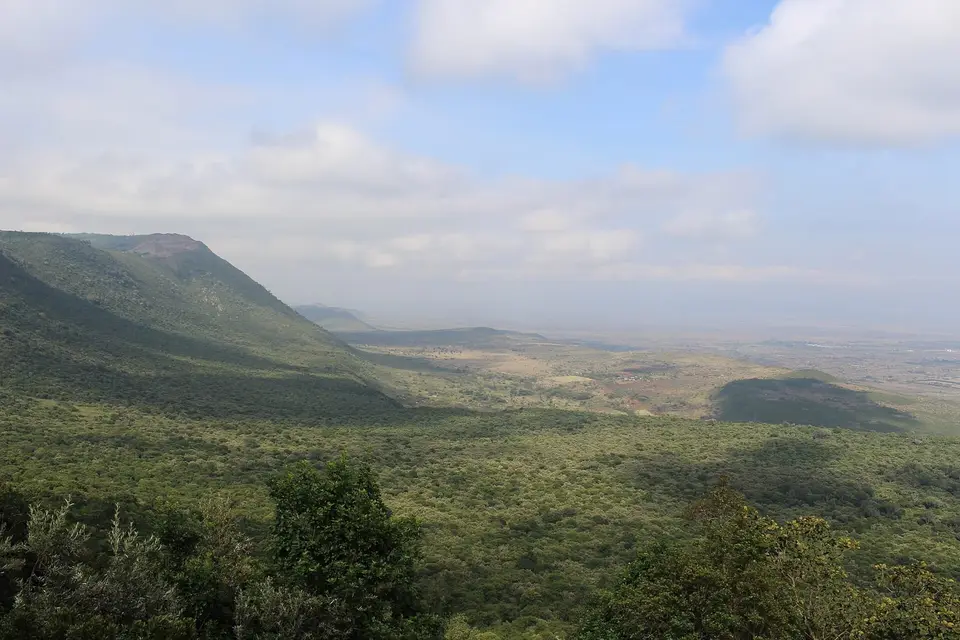
Kenya has sealed a $160 million conservation finance deal establishing the Thamani Asili initiative — a Kiswahili name meaning value of nature. The initiative will focus on key biodiversity hotspots stretching from the Great Rift Valley to the Maasai Mara, home to thousands of elephants, rhinos, lions, and other species. The new protected area will be roughly the size of Uruguay.
The most striking number in Kenya's announcement may not be the $160 million but the name: Thamani Asili. A government that accounts for everything in budgets has chosen to describe its elephants and rivers with a phrase that resists accounting — value of nature. That paradox is worth sitting with, because it names something we feel but rarely say aloud: the things most worth keeping are the hardest to price.
The contrast runs through the whole story. On one side, hard figures — a sum of money, a protected area the size of Uruguay, thousands of animals counted across the Rift Valley and the Maasai Mara. On the other side, the admission built into the initiative's own name that what it protects is worth more than any line item. That is also where the verse begins: with thanksgiving before management. It does not open with a plan for handling creation; it opens with gratitude to God the Father for everything. Gratitude quietly changes what we think we own. A thing we thank God for feels less like inventory and more like a gift we hold on someone else's behalf.
Still, naming a thing's value is not the same as protecting it — the deal does not guarantee the rhinos and lions will thrive, and no verse settles whether this specific program will succeed. The same holds for us. But the deeper lesson may be smaller than a $160 million budget: stewardship starts not with sacrifice but with noticing. Most of us have never said thank you for the rain, though we depend on it the way Kenya's herds depend on the Mara. This week, try giving thanks by name for one ordinary piece of creation — a tree on your street, the river two towns over — and see whether gratitude, more than guilt, changes how you treat it.
This Daily Reflection keeps the reported event, faith reflection, Scripture, and automation record distinct.
