Five Years After an Overturned Murder Conviction, a Monetary Award Raises a Harder Justice Question
A delayed legal remedy reminds us that justice often requires patient, faithful work.
Infolitico
On the press
The edition is loading.
A delayed legal remedy reminds us that justice often requires patient, faithful work.
A concise digest of source-backed Infolitico stories when the day has a truthful slate. Thin mornings are skipped rather than padded.
Learn to do good. Seek justice. Help the oppressed. Defend the cause of orphans. Fight for the rights of widows.
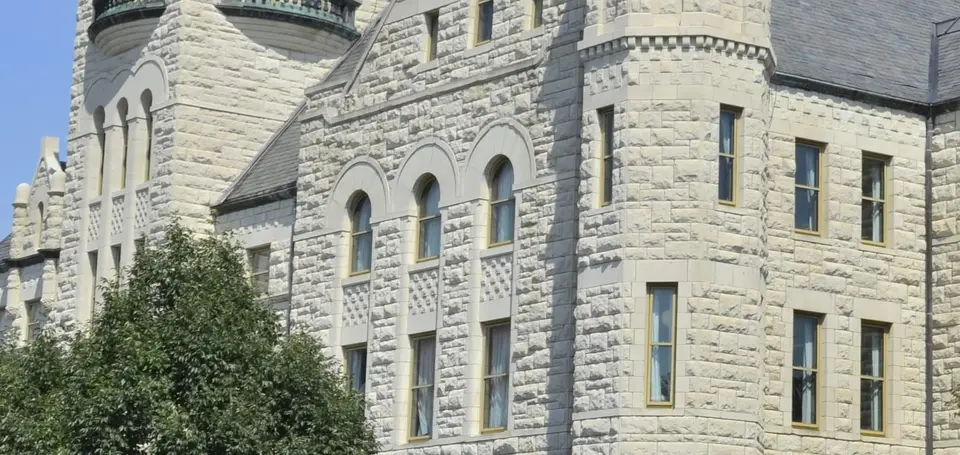
A Kansas City Star report says a former daycare worker was awarded thousands five years after a murder conviction was overturned. The report did not state the exact amount, the reason for the reversal, or what the award covers.
A monetary award arriving five years after an overturned murder conviction answers one question while leaving a harder one in place. The former daycare worker received thousands, and the conviction no longer stands. Those facts say something important: a public system can admit that a serious wrong occurred.
But the five-year gap exposes what a payment cannot do. It cannot give back lost time, restore a reputation, or rebuild the stability that a murder charge tears apart. The report does not establish innocence, the legal basis of the award, or that the harm has been fully repaired. Money can be a real step toward accountability, yet treating it as complete healing would mistake a receipt for restoration.
Isaiah 1:17 sets justice in motion: learn to do good, seek justice, help the oppressed, defend the vulnerable. That language is larger than a settlement. It describes a community that refuses to look away from people crushed by power, error, or delay. We can be grateful when institutions make concrete repair, and still ask where we are failing to defend those whose cases never become news.
This Daily Reflection keeps the reported event, faith reflection, Scripture, and automation record distinct.
