An Appeals Court Tosses a Tax Notice Lawsuit — and Draws a Line Between Flawed and Illegal
A real grievance with no legal home points to a justice no courtroom can supply.
Look, a righteous king is coming! And honest princes will rule under him.
Infolitico
On the press
The edition is loading.
A real grievance with no legal home points to a justice no courtroom can supply.
Look, a righteous king is coming! And honest princes will rule under him.
A concise digest of source-backed Infolitico stories when the day has a truthful slate. Thin mornings are skipped rather than padded.
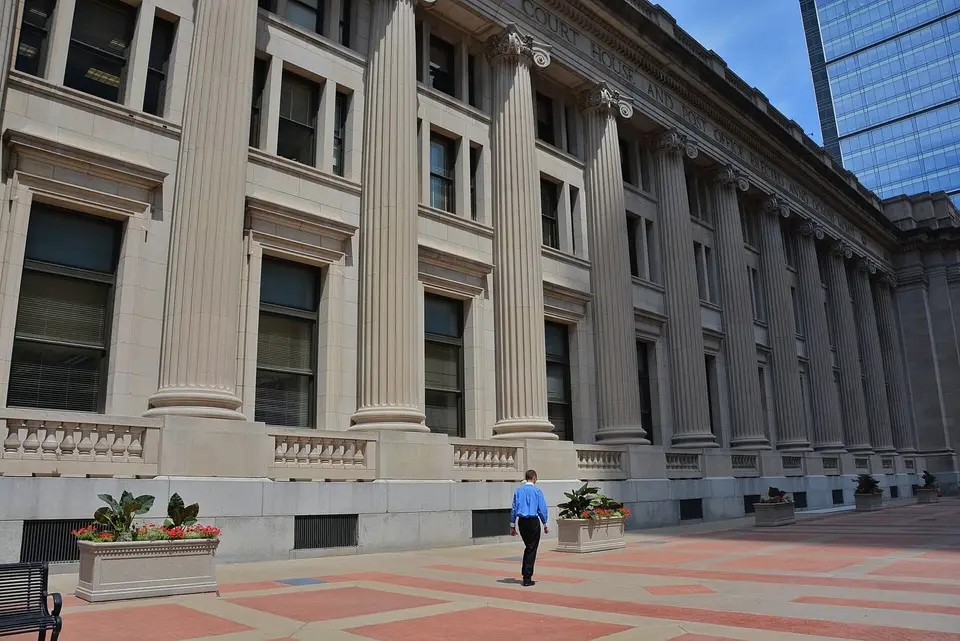
An appeals court has tossed a lawsuit over the city's pied-à-terre tax rollout, ruling that homeowners cannot sue over the tax notices themselves. The decision reverses a Staten Island judgment that had ordered the city to redo its notices. Other legal challenges to the tax continue in separate proceedings.
A court that finds a process flawed enough to order redone — and then rules that the flaw cannot be sued over — has done something quietly unsettling. It has told homeowners their grievance is real but has no legal home. The Staten Island judgment treated the defective notices as a wrong to be repaired; the appellate court treated the same defect as an imperfection the law tolerates. Both readings looked at the same paperwork and reached opposite conclusions.
That gap between a flawed process and a legal wrong is one most of us recognize from smaller experiences: a complaint that is valid but has no forum, a mistake that gets acknowledged but never fixed. Isaiah's vision speaks directly into that gap. Notice what it promises and what it does not — honest princes ruling under a righteous king is an image of justice arriving whole, and Scripture places it ahead of us, not within reach of any courtroom. The verse is not a forecast about this case or any court; it is a standard that human rulings keep falling short of, sometimes by inches, sometimes by more.
Here is the tension worth sitting with: the ruling does not decide whether the tax itself is fair, and the homeowners' other challenges remain open. So the story is unfinished in law even as it is settled in this one courtroom. The temptation, when a real grievance finds no remedy, is to conclude that fairness itself is a fiction. But Isaiah refuses both moves: it does not pretend human justice will arrive complete, and it does not let that incompleteness excuse dishonesty in the meantime. Honest administration of imperfect systems still matters to God.
Perhaps that is the invitation in this ruling — to hold two convictions at once without letting either curdle. Real process flaws deserve our attention, and no court will ever supply the complete justice our hearts keep asking for. The question is whether we can care about the notices while anchoring our deepest hope for justice somewhere above the appellate bench.
This Daily Reflection keeps the reported event, faith reflection, Scripture, and automation record distinct.
