Somalia’s Race to Save Radio Mogadishu’s Archive Chooses Wisdom Over Gold
A radio archive deteriorates in Mogadishu, and an ancient proverb asks us what we're taking for granted.
Infolitico
On the press
The edition is loading.
A radio archive deteriorates in Mogadishu, and an ancient proverb asks us what we're taking for granted.
A concise digest of source-backed Infolitico stories when the day has a truthful slate. Thin mornings are skipped rather than padded.
How much better to get wisdom than gold, and good judgment than silver!
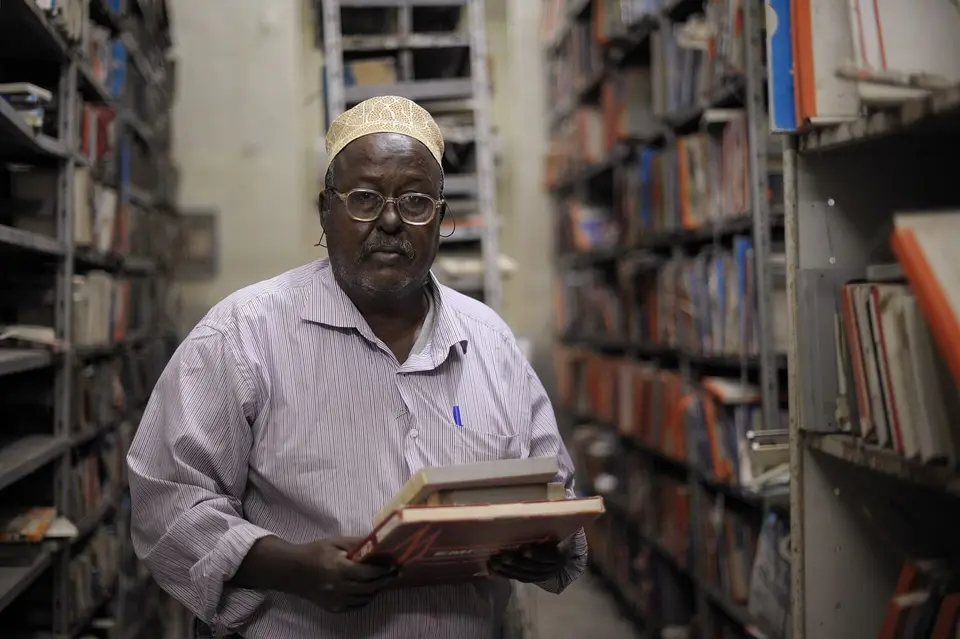
Radio Mogadishu, Somalia’s main public radio station, is home to decades of recorded Somali history. A small team is now working to digitise that archive before the original materials fade beyond use.
The effort is described as a race against time. The recordings carry cultural and historical memory, but the physical media are deteriorating, and preservation work must move quickly if the material is to remain accessible.
The striking thing about this work is not simply that old recordings are being copied. It is that a small team is treating fragile tapes as something worth racing for—more valuable, in this moment, than easier uses of time or money. The archive at Radio Mogadishu holds decades of Somali history, yet the physical media are fading. That creates a contrast: a modest, technical task carries a large public responsibility.
Proverbs 16:16 sets a similar measure beside us: wisdom and judgment are better than gold and silver. The proverb does not treat material provision as unimportant, and it does not promise this digitisation effort will succeed. It also does not let us claim to know the team’s motives. But it challenges a habit of measuring worth only by what can be counted. Gold can be weighed; a people’s memory cannot. When recordings fade, the loss is not merely sentimental. It narrows the resources a community can draw on for identity, counsel, and judgment.
That brings the story closer to home. Every family and community has fragile archives: stories from elders, letters, testimonies, lessons learned through hardship. They rarely arrive with funding or urgency. Yet they may be some of the wisest things we possess. The question is whether we will treat them as disposable because they are not profitable, or as inheritance worth preserving before it slips away.
This Daily Reflection keeps the reported event, faith reflection, Scripture, and automation record distinct.
