Oil Prices Jump Over the Strait of Hormuz, Exposing Our Search for Steady Ground
A sudden shock near the Strait of Hormuz reminds us how fragile our plans can be.
Infolitico
On the press
The edition is loading.
A sudden shock near the Strait of Hormuz reminds us how fragile our plans can be.
A concise digest of source-backed Infolitico stories when the day has a truthful slate. Thin mornings are skipped rather than padded.
I wait quietly before God, for my victory comes from him. He alone is my rock and my salvation, my fortress where I will never be shaken.
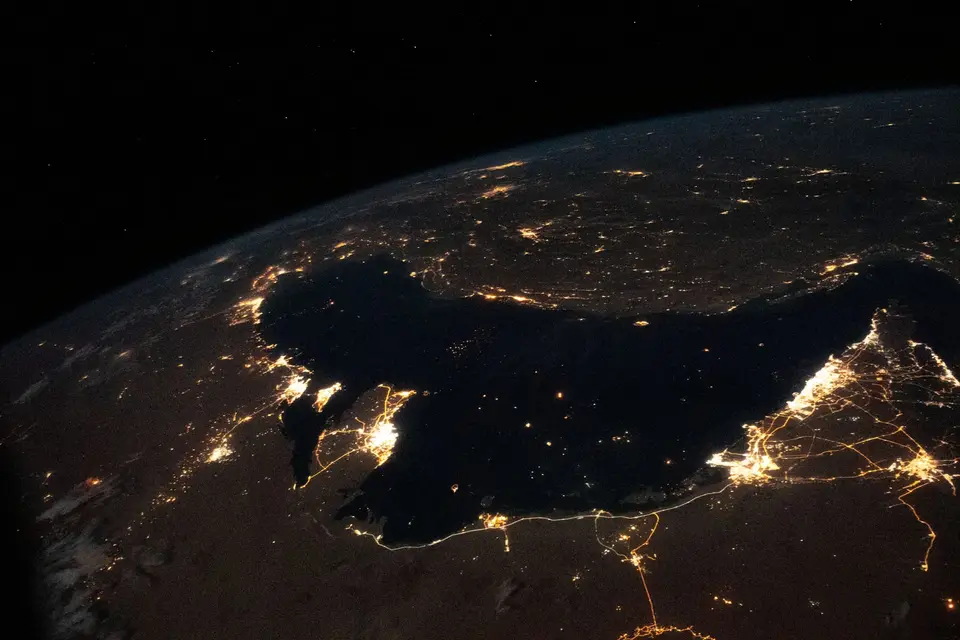
Brent crude climbed more than 4 percent as Washington and Tehran clashed over control of the Strait of Hormuz. The report tied the price move to a critical waterway whose control was contested.
A 4 percent jump in Brent crude is a visible number, but it points to an unresolved reality: Washington and Tehran are clashing over control of the Strait of Hormuz, and the market is reacting before the outcome is known. The contrast is between what can be measured immediately and what cannot yet be settled.
That gap reveals how quickly we ask fragile things to steady us. A price chart, a favorable headline, or a show of force can feel like solid ground for a few hours. Psalm 62 does not promise to stabilize oil prices, keep shipping lanes calm, or produce a political outcome we prefer. Nor does it ask people under financial pressure to deny the strain. It redirects the search for security: the psalmist waits quietly before God, identifying God alone as rock, salvation, and fortress.
When the headlines spike, the first discipline may be to notice what we are treating as our foundation. We can still track the news and make careful plans. But before fear sets the tone, we can practice waiting before God, refusing to let the day's alarms have final authority over our hearts.
This Daily Reflection keeps the reported event, faith reflection, Scripture, and automation record distinct.
