Months Into the Strait of Hormuz Tanker War, Nobody Can Say Where It Ends
Two powerful nations are reaching for control of one waterway — and coming up short on certainty.
Infolitico
On the press
The edition is loading.
Two powerful nations are reaching for control of one waterway — and coming up short on certainty.
A concise digest of source-backed Infolitico stories when the day has a truthful slate. Thin mornings are skipped rather than padded.
So don’t worry about tomorrow, for tomorrow will bring its own worries. Today’s trouble is enough for today.
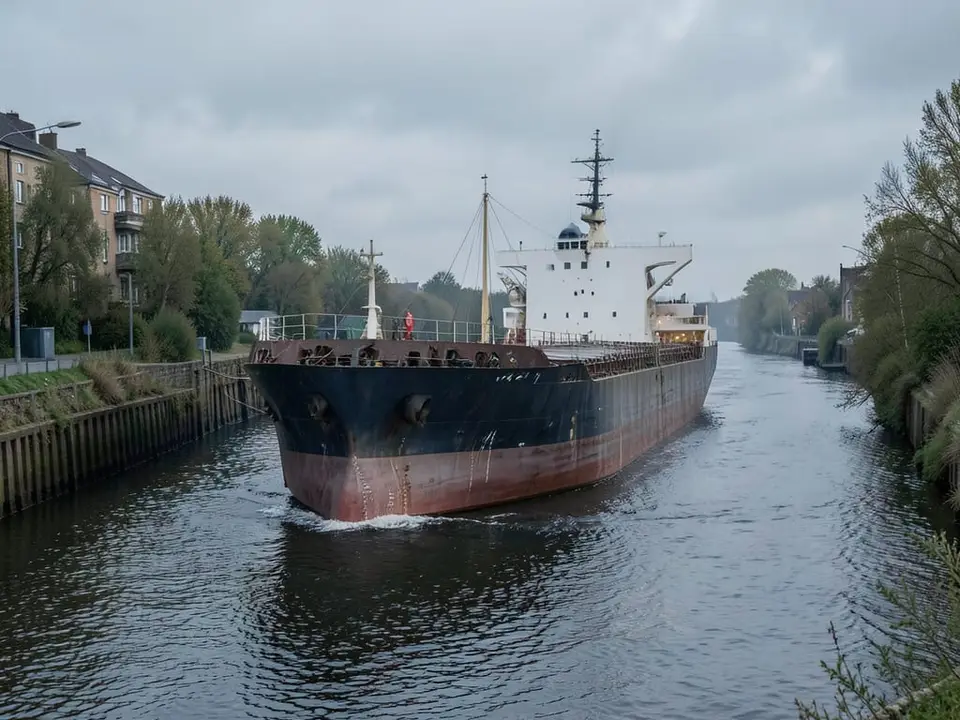
The United States and Iran are locked in a months-long tanker war in the Strait of Hormuz, with both sides attacking commercial tankers as they attempt to exert control over the strategic waterway. The conflict has no clear endpoint in sight, and the question of where it is headed remains open — a source of ongoing uncertainty for global shipping and the nations watching the waterway.
Two of the world's most capable militaries have spent months reaching for control of a single waterway, and the honest answer to where it all ends is: nobody knows. Not the governments directing the attacks, not the shipping companies rerouting cargo, not even the reporters covering the story day after day. That is the tension at the heart of this conflict — control is being pursued with real force, and it still eludes everyone.
It is worth sitting with how much effort is being spent trying to manage an outcome that refuses to be managed. Tankers burn. Shipping lanes wobble. Sailors on those vessels and families watching fuel prices feel the consequences whether or not any capital has a plan. If nations this powerful cannot see around the next turn in the Strait of Hormuz, we can be gentle with ourselves about the limits of our own foresight.
Jesus' teaching in the verse does not pretend tomorrow is safe. It concedes, plainly, that tomorrow will bring its own worries — real trouble, not imagined trouble. What it reorders is our attention. Worry is our attempt to carry tomorrow's weight today, and it always weighs more than we were built to lift. The tanker war is a large-scale picture of the same truth: even enormous power, applied for months, cannot purchase certainty about the future.
The verse is not a promise that this conflict ends soon, that shipping stays safe, or that anxiety vanishes on command. It also does not ask us to look away from the sailors, the prices, and the families affected. It simply asks a question worth our honesty: if the outcome belongs to no one on earth to control, why are we trying to carry it as though it were ours?
This Daily Reflection keeps the reported event, faith reflection, Scripture, and automation record distinct.
