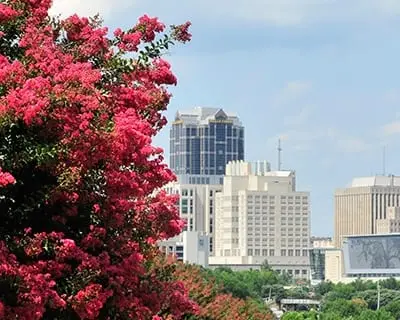
The report’s spare wording points to a question larger than weather. It says a storm moved through Raleigh and that the aftermath is being framed as community recovery, yet it gives no measure of destruction and no account of particular losses. That leaves us with the basic shape of disruption: ordinary life is interrupted, and people must decide whether recovery will be only a return to services or a deeper movement toward one another.
The tension is not simply that a storm damages a place. It is that recovery asks for something more than repairs. Neighbors may need patience with delays, encouragement when progress is slow, and a willingness to remain bound to one another while the city regains its footing. The source does not show how deep the damage was, whether recovery succeeded, or what motives moved the people involved. Romans 15:5-6 does not describe weather, and it does not teach that God prevents every storm or that harmony arrives immediately. It presents patience and encouragement as gifts that make shared life possible.
That reframes the local story. A city is not only a grid of roads and utilities; it is a web of voices. When disruption comes, the spiritual question is not merely when things will feel normal again. It is whether we will bring a unifying voice to our neighbors—patience instead of complaint, encouragement instead of isolation—and whether that shared voice can turn toward God in praise.