Nigeria's 19 Million Out-of-School Children Reveal a Wound That Needs Shared Compassion
When the scale of suffering numbs us, a familiar verse insists on the dignity of one child at a time.
Infolitico
On the press
The edition is loading.
When the scale of suffering numbs us, a familiar verse insists on the dignity of one child at a time.
A concise digest of source-backed Infolitico stories when the day has a truthful slate. Thin mornings are skipped rather than padded.
He heals the brokenhearted and bandages their wounds.
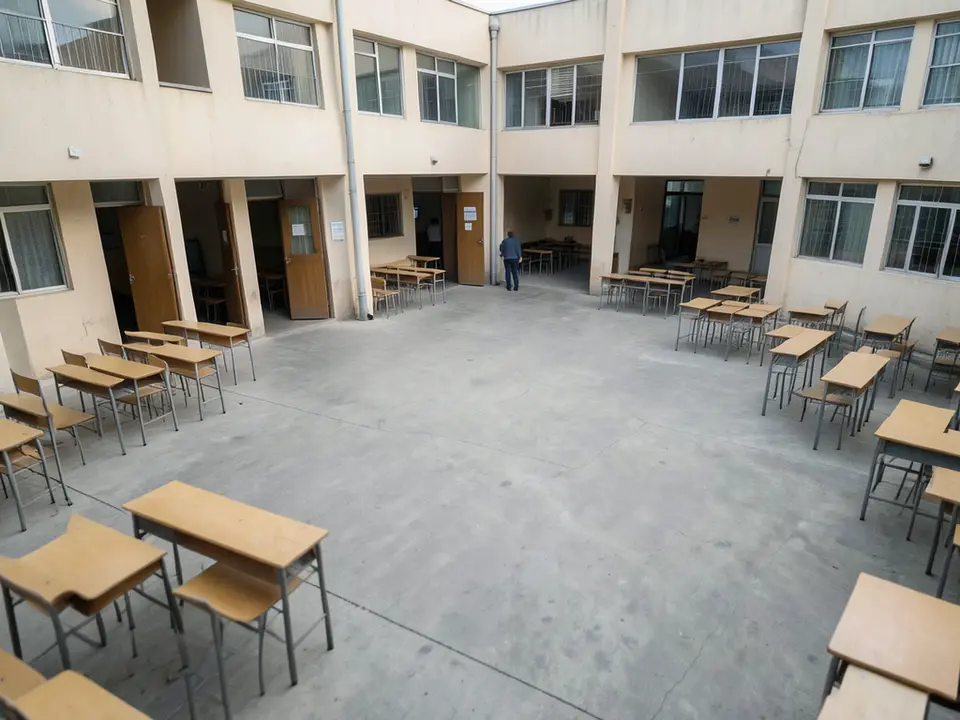
Forty-six children and teachers abducted on May 15 in Nigeria's southwestern Oyo state were rescued and reunited with their families on July 10. Since the 2014 abduction of the Chibok schoolgirls, Nigeria has experienced waves of mass kidnappings from schools, and the threat of abduction is described as one of the biggest obstacles to children pursuing their education.
Twenty-seven percent of children in Nigeria are out of school, one of the highest rates in the world. The report describes 19 million children as out of school amid efforts to avoid kidnappings.
The number 19 million is not only an education statistic; it is a measure of fear entering ordinary family decisions. When the threat of abduction ranks among the biggest obstacles to schooling, keeping a child at home can look like protection and loss at the same time. The rescue of 46 children and teachers in Oyo state is welcome news, but it does not erase the years since Chibok or the insecurity that still shapes daily choices.
This tension resists easy comfort. Families need safety, yet children also need learning, routine, and a future they can imagine. Psalm 147:3 does not explain why kidnappers act, promise instant security, or remove the responsibility of governments, communities, and schools to protect children. It does something else: it pictures God drawing near to the brokenhearted and tending wounds. That image refuses to let distant numbers harden into indifference.
The invitation is to notice how we respond when suffering is far away. Compassion begins by naming the wound honestly — children deserve both safety and hope — and by refusing to treat Nigerian families as a headline we scroll past. We can pray, pay attention, and support efforts that make childhood less fragile.
This Daily Reflection keeps the reported event, faith reflection, Scripture, and automation record distinct.
